
Rackmount ESS Battery – 51.2V(48V) 600AH Vxl48600
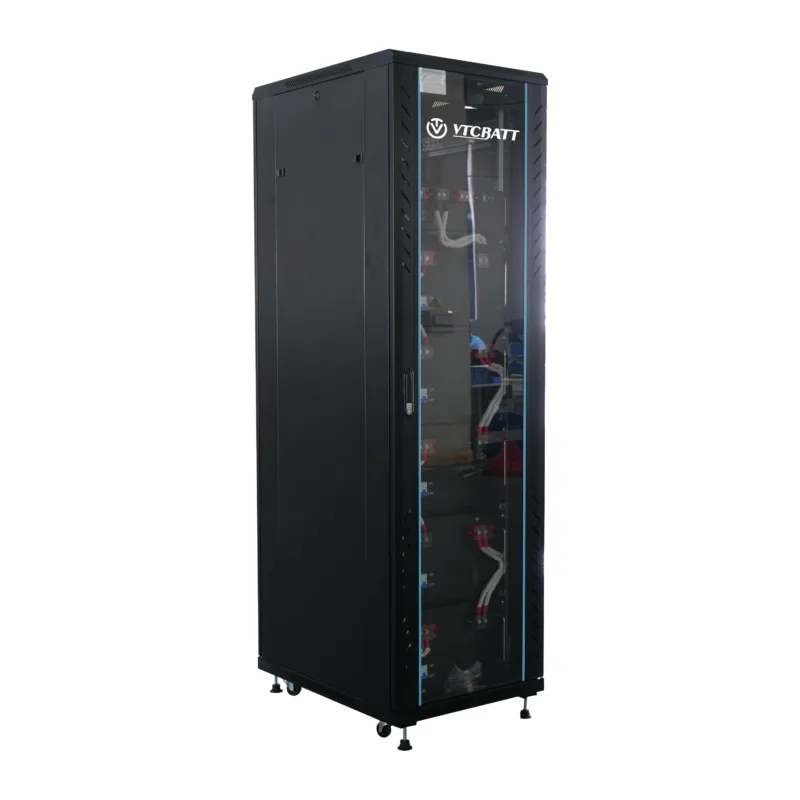
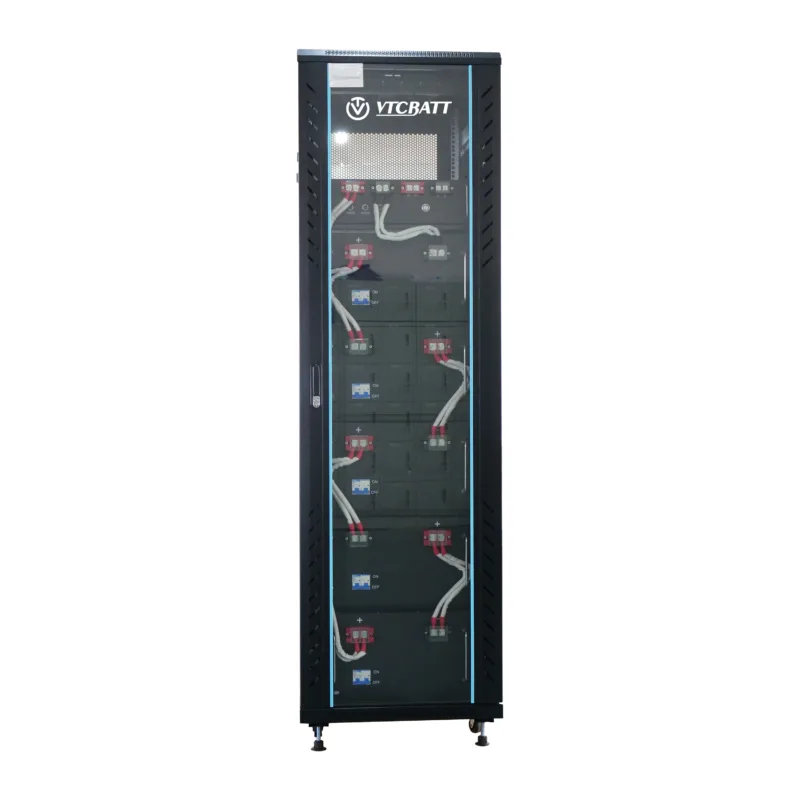
- Nominal Voltage: 51.2V (48V)
- Nominal Capacity: 600Ah
- Stored Energy: 30.72 kWh
- Dimension (L×W×H) In Millimeter: 430×442×816 mm
- Weight lbs. (kg) : 634.92 lbs (288 kg)
- Cycle Life: More than 6000 cycles at 0.2C
- IP Rating: IP54
- Long life – 6000+ cycles, safe LiFePO₄ chemistry.
- Modular design – Easy expansion, flexible installation.
- Smart BMS – Multi-protection, real-time monitoring.
- Wide compatibility – Supports CAN/RS485 communication.
- High efficiency – Compact, maintenance-free, fast charging.
- Low Maintenance – No daily upkeep required.


Products Details
Safe LiFePO4 Chemistry
Stable, non-flammable lithium iron phosphate ensures safety in industrial environments.
Broad Inverter Compatibility
Seamlessly integrates with major inverter brands for reliable solar energy storage.
APP Monitor
Remote OTA upgrades, WiFi and Bluetooth functionality, and app-based remote monitoring for easy system management.
Precise SOC Display
Accurate state‑of‑charge data shown after the first full battery charge.
10 Years Usage Life
Delivers 6,000+ cycles and charges in 0.2C with 99% efficiency.
Smart Battery Management
Built-in BMS offers real-time monitoring and multi-level protection.
Space & Maintenance Saving
Smaller battery size, no watering, no acid—zero maintenance required.
Clean & Durable Design
No gas emissions or spills, IP65-rated for harsh work environments.
Rack Mount ESS Lithium Battery Overview
This Rack Mount ESS battery utilizes high-performance LiFePO4 cells combined with an advanced smart BMS that provides comprehensive protections including voltage, current, temperature, and short circuit safeguards to ensure safe and stable operation. Its modular design supports standard rack installation, enabling easy integration into various energy storage systems and data center applications.
Equipped with remote monitoring and management capabilities via a dedicated mobile app, users can access real-time battery status and health data, enabling early fault detection and remote diagnostics to improve maintenance efficiency and minimize downtime. With high energy density and excellent cycle life, this battery pack delivers reliable long-term power for residential, commercial, and industrial energy storage needs.
Compact size and lightweight construction facilitate rapid deployment and scalability, making it an ideal solution for building efficient, intelligent, and green energy storage systems.
Smart Rack Mount ESS Battery Monitor App
Real-time monitoring of battery voltage, current, and temperature. Enables remote diagnostics and alerts to ensure safe, stable operation and improve maintenance efficiency.
- Real-time battery voltage, current, and temperature monitoring
- Remote fault diagnosis and alert notifications
- Historical data logging and trend analysis
- Multi-device and multi-user management
- Supports CAN, RS485, and Modbus communication protocols
- Intelligent battery status evaluation and lifespan prediction
- User role management and security
- Remote firmware updates and maintenance support
Much better than lead-acid batteries!
Experience longer driving range, quicker recharges, and lightweight power with zero maintenance—engineered for superior performance and reliability in every ride.
- Longer lifespan, reducing replacement frequency
- Faster charging times for less downtime
- Lightweight design improves vehicle efficiency
- Maintenance-free, no need for watering or equalizing
- Higher energy density for extended driving range
- More environmentally friendly and safer chemistry
- Consistent performance in a wide temperature range
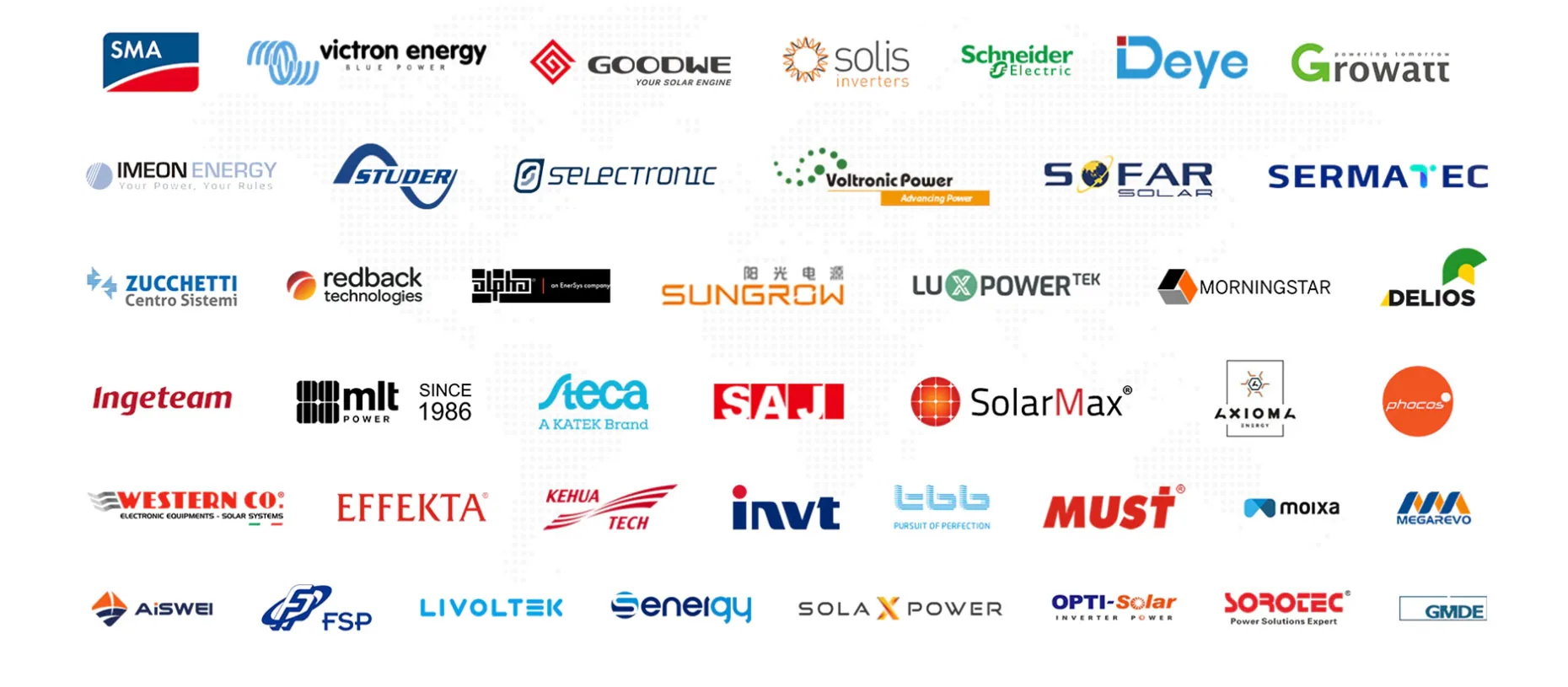
Compatible with the mainstream inverters
SMA, Victron Energy, GoodWe, Solis Inverters, Schneider Electric, Deye, Growatt, IMEON Energy, Studer, Selectronic, Voltronic Power, Sofar Solar, Sermatec, Zucchetti Centro Sistemi, Redback Technologies, Alpha ESS, Sungrow, LUX PowerTek, Morningstar, Delios, Ingeteam, MLT Power, Steca (A KATEK Brand), SAJ, SolarMax, Axioma Energy, Phocos, Western Co., Effekta, Kehua Tech, INVT, TBB, MUST, Moixa, Megarevo, AiSWEI, FSP, LIVOLTEK, SenerQy, SolaX Power, Opti-Solar Inverter Power, Sorotec, GMDE
What type of battery is used in the 600Ah Rackmount ESS, and what are its advantages?
The 600Ah Rackmount ESS uses high-quality LiFePO4 batteries, offering exceptional safety, thermal stability, and long cycle life. With over 6000 cycles at 0.2C, these batteries ensure long-term, reliable operation for residential, commercial, and industrial applications. LiFePO4 chemistry inherently prevents thermal runaway and maintains high efficiency (96–99% round-trip), even under heavy load. The wide operating temperature range (-20°C to 60°C) enables deployment in diverse environments. Compared to traditional lead-acid or other lithium chemistries, these batteries provide higher energy density, lower maintenance, and cost-effective energy storage for large-scale applications.
How does the 600Ah Rackmount ESS operate and integrate with existing power infrastructure?
This large-capacity system is designed for flexible integration with electrical grids, solar arrays, and load devices. It features intelligent energy management for peak shaving, load shifting, and backup power. The system supports both off-grid and grid-tied applications. With modular design, multiple units can be combined to achieve even higher capacity. Built-in protections—overvoltage, overcurrent, short circuit, and thermal safeguards—ensure reliable and safe operation. Real-time monitoring via BMS allows remote control and status tracking, optimizing energy usage and system performance over years of operation.
Can the 600Ah system be customized for specific applications?
Yes, the 600Ah Rackmount ESS is modular and scalable. Each 100Ah sub-module can be combined to create the full 600Ah capacity, enabling flexibility in design and installation. Customers can configure voltage, capacity, and physical layout according to project requirements. Modular design simplifies transportation, on-site assembly, and future expansion. It is ideal for commercial or industrial setups where large energy storage is required without compromising safety or reliability.
What quality standards are followed during production of the 600Ah ESS?
The system follows strict quality standards, including CE, UN38.3, IEC, and RoHS certifications. Each battery module undergoes testing for voltage consistency, capacity, internal resistance, and safety before assembly. Automated production lines and skilled technicians ensure precision and reliability. From cell selection to final system integration, every stage is monitored to guarantee high-quality performance and long-term durability, even under demanding operational conditions.
How safe is the 600Ah Rackmount ESS for large-scale use?
Safety is a priority. The system features multiple protection layers: overcharge, overdischarge, overcurrent, short-circuit, temperature, and fire-resistant safeguards. LiFePO4 chemistry minimizes thermal risks. Robust enclosures and IP54 rating provide dust and splash protection. The intelligent BMS monitors cell voltage, temperature, and state of charge in real time, ensuring stable and safe operation. Safety protocols are maintained across all modules, making the system suitable for commercial and industrial installations.
Can the 600Ah Rackmount ESS be safely transported by air or sea?
Yes, the system complies with international transportation standards, including UN38.3 for lithium batteries. Modules are securely packaged to prevent damage, and multiple smaller modules allow easier handling during shipment. Air, sea, and land transport are all supported, following proper handling and loading procedures. Modular design reduces transportation risk, and guidance is provided for safe on-site assembly of the full 600Ah system.
What makes the 600Ah Rackmount ESS cost-effective and innovative?
The 600Ah system delivers high capacity at a competitive price through modular design and efficient manufacturing. Its long cycle life reduces replacement costs, and scalable modules allow customers to purchase only the needed capacity. R&D focuses on improving battery chemistry, BMS intelligence, and thermal management, enhancing efficiency and safety. This ensures the system provides maximum value and performance for large-scale energy storage, while remaining adaptable for future energy expansion needs.

